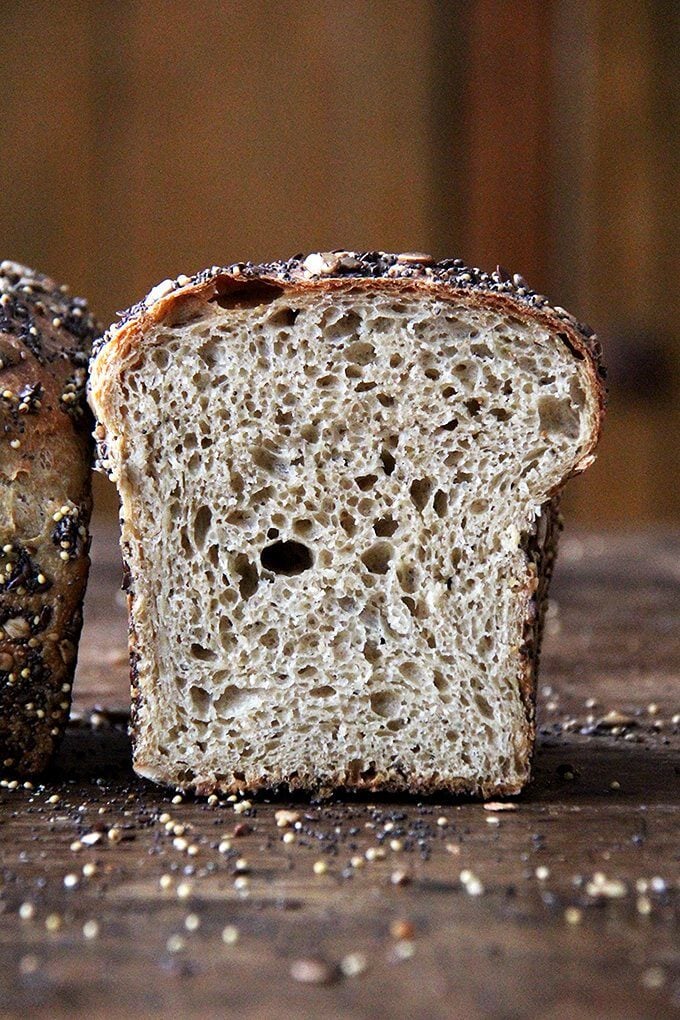
Bake Your Best Loaf: Easy Sprouted Wheat Seedy Sandwich Bread for Unbeatable Softness
Are you on the hunt for a bread recipe that effortlessly combines nutrition, incredible flavor, and a delightfully soft texture? Look no further! This seedy sandwich bread sprouted wheat recipe is designed to transform your baking experience, offering a simple path to homemade loaves that are far superior to anything store-bought. Perfect for busy parents, health-conscious students, or anyone who appreciates wholesome, delicious food, this bread makes healthy eating an absolute joy.
Imagine slicing into a warm, fragrant loaf, its crust perfectly golden, revealing a tender, airy interior studded with a variety of nutritious seeds. Every bite offers a satisfying chew and a subtle, nutty sweetness that only sprouted wheat can provide. This isn't just bread; it's a testament to how easy it can be to nourish yourself and your family with truly good food, without spending hours in the kitchen.
Unlock the Power of Sprouted Wheat for Your Loaves
The secret ingredient that elevates this recipe from good to extraordinary is sprouted wheat. While whole wheat is already lauded for its fiber content, the sprouting process takes its benefits to an entirely new level. When grains sprout, they begin their journey from a dormant seed to a vibrant plant, unlocking a cascade of nutritional advantages.
- Enhanced Digestibility: Sprouting initiates enzymatic activity that breaks down complex starches and gluten proteins, essentially "pre-digesting" the grain. This makes the bread much easier on your digestive system, reducing potential bloating or discomfort often associated with traditional whole wheat. Think of it as transforming something akin to a dense grain into something more akin to a digestible vegetable.
- Boosted Nutrient Bioavailability: As Chad Robertson from Tartine Book No. 3 wisely notes, sprouting makes stored nutrients, minerals, and vitamins more accessible. This means your body can more readily absorb the goodness within each slice, including essential B vitamins, vitamin C, folate, and crucial minerals like iron, zinc, and magnesium.
- Unparalleled Flavor & Natural Sweetness: Sprouted wheat develops a naturally sweeter, milder flavor profile compared to its unsprouted counterpart. This eliminates the sometimes-bitter notes associated with regular whole wheat flour, resulting in a bread that's inherently more palatable and often requires less added sweetener. This unique flavor contributes significantly to the deliciousness of our
seedy sandwich bread sprouted wheat . - Increased Fiber Content: Beyond the ease of digestion, sprouted grains often boast a slightly higher fiber content, further supporting gut health and promoting satiety.
By choosing sprouted wheat flour, you're not just baking bread; you're crafting a loaf that truly supports your well-being with every delicious bite.
The Delightful Crunch: Why Seeds are Essential in This Seedy Sandwich Bread
What's a
- Flax Seeds: Rich in omega-3 fatty acids and dietary fiber, flax seeds add a subtle nutty flavor and help create a moist crumb.
- Chia Seeds: Packed with fiber, protein, and omega-3s, chia seeds are incredible for satiety and add a pleasant texture.
- Sunflower Seeds: A fantastic source of Vitamin E, magnesium, and healthy fats, sunflower seeds offer a mild, buttery taste and a satisfying chew.
- Pumpkin Seeds (Pepitas): Abundant in zinc and antioxidants, pumpkin seeds lend a distinct savory note and a beautiful green hue.
- Sesame Seeds: Providing calcium and healthy fats, sesame seeds are classic for their light crunch and earthy aroma, especially when toasted on the crust.
- Poppy Seeds: Small but mighty, poppy seeds offer a delicate crunch and a faint, intriguing flavor.
Combining a medley of these seeds not only enhances the nutritional value of your bread but also creates a dynamic texture that makes every sandwich or slice of toast a more engaging experience. You can incorporate them directly into the dough and sprinkle generously on top before baking for maximum impact.
Effortless Baking: Crafting Your Soft Loaves with Ease
One of the most appealing aspects of this
The process typically involves a straightforward mixing of dry and wet ingredients, followed by a generous rise time. The sprouted wheat flour's unique properties often contribute to a more forgiving dough, making it ideal for both novice bakers and seasoned enthusiasts looking for a quick, reliable recipe. This hands-off method ensures that even on your busiest days, you can still produce two beautifully nutritious loaves perfect for sandwiches, toast, or alongside your favorite soup.
This recipe is also incredibly versatile, adapting to various dietary preferences. While traditionally made with dairy and honey, simple swaps can make it vegan-friendly (e.g., plant-based milk, maple syrup). The goal is always a soft, satisfying texture that proves homemade bread doesn't have to be complicated to be delicious and incredibly good for you.
Essential Ingredients for Your Perfect Seedy Sandwich Bread Sprouted Wheat
Crafting this incredible bread starts with gathering the right ingredients. Each component plays a crucial role in achieving that perfect soft crumb and irresistible flavor:
- Sprouted Whole Wheat Flour: The star of the show, providing the unique flavor and health benefits.
- All-Purpose or Bread Flour: A blend with other flours often helps lighten the crumb, preventing the density sometimes associated with 100% whole wheat, ensuring that desired softness.
- Active Dry Yeast: Fresh, active yeast is paramount for a good rise and airy texture. Always check its expiry date!
- Sweetener: A touch of honey, maple syrup, or granulated sugar not only feeds the yeast but also enhances the natural sweetness of the sprouted wheat and aids in browning.
- Fine Sea Salt: Essential for balancing flavors and strengthening the gluten structure.
- Warm Water or Milk: Provides hydration for the dough. Using milk can contribute to an even softer crumb and richer flavor.
- Olive Oil or Melted Butter: A small amount of fat significantly improves the bread's texture, making it more tender and moist.
- Mixed Seeds: Your chosen blend of flax, sunflower, pumpkin, sesame, poppy, or chia seeds for that signature crunch and nutritional boost.
Baking Tips for an Unbeatable Loaf
Even with a straightforward recipe, a few practical tips can elevate your baking to professional levels:
- Accurate Measurements: Especially for flour and yeast, using a kitchen scale for flour offers the most precise results, ensuring the right hydration for your dough.
- Temperature Matters: Ensure your water (or milk) for activating yeast is warm, not hot (around 105-115°F or 40-46°C). A warm, draft-free spot is ideal for rising dough.
- Don't Rush the Rise: The long, slow rise (especially in no-knead recipes) is what develops flavor and texture. Patience is a baker's best friend.
- Proper Dough Consistency: Your dough might feel sticky after mixing, and that's often a good sign for a soft, airy loaf. Resist the urge to add too much extra flour.
- Gentle Shaping: When shaping your loaves, work gently to preserve the air bubbles that developed during the first rise. A tight surface tension on your shaped loaf will give you a better rise and crumb.
- Cool Completely: It's tempting to slice into a warm loaf, but waiting until it's fully cooled allows the internal structure to set, preventing a gummy texture and making it much easier to slice cleanly.
Enjoying Your Homemade Seedy Sprouted Wheat Bread
Once your beautiful
- Elevating Your Sandwiches: From classic deli meats and cheeses to vibrant vegetarian fillings, the bread's robust flavor and soft texture make every sandwich a gourmet experience.
- Perfect Toast: Top slices with avocado, eggs, jam, nut butter, or simply a pat of butter for a nourishing breakfast or snack.
- Accompaniment to Meals: Serve alongside hearty soups, stews, or salads. Its satisfying texture and flavor complement a wide array of dishes.
- Homemade Croutons or Breadcrumbs: If you happen to have any leftover (a rare occurrence!), it makes phenomenal croutons for salads or flavorful breadcrumbs for cooking.
For storage, keep your bread at room temperature in an airtight container or bread box for 3-4 days. For longer storage, slice the cooled loaves and freeze them in a freezer-safe bag. You can then grab slices as needed, toasting them directly from frozen for ultimate convenience.
There's a unique satisfaction that comes from baking your own bread, especially when it's as nutritious and delicious as this
